

What is the porosity of Zirconia Ceramic Foam Filter?
Nov 13, 2025
Leave a message
Hey there! As a supplier of Zirconia Ceramic Foam Filter, I often get asked about the porosity of this amazing product. So, I thought I'd take a moment to break it down for you and explain what it means, why it matters, and how it affects the performance of the filter.
First things first, let's talk about what porosity actually is. In simple terms, porosity refers to the amount of empty space or pores within a material. In the case of Zirconia Ceramic Foam Filter, these pores are what allow molten metal to flow through the filter while trapping impurities and inclusions. The porosity of the filter is typically expressed as a percentage, which represents the volume of the pores relative to the total volume of the filter.
Now, you might be wondering why porosity is so important. Well, the porosity of the Zirconia Ceramic Foam Filter plays a crucial role in determining its filtration efficiency and flow rate. A filter with a higher porosity will generally have a higher flow rate, which means that more molten metal can pass through the filter in a given amount of time. This is especially important in high-volume casting operations where speed is of the essence.
On the other hand, a filter with a lower porosity will have a higher filtration efficiency, as it will be able to trap smaller impurities and inclusions. This is particularly important in applications where the quality of the cast metal is critical, such as in the aerospace or automotive industries.
So, how do we determine the optimal porosity for a Zirconia Ceramic Foam Filter? Well, it really depends on the specific application and the requirements of the customer. In general, filters with a porosity of between 30% and 80% are commonly used, with the exact porosity depending on factors such as the type of metal being filtered, the size and shape of the impurities, and the desired flow rate and filtration efficiency.
At our company, we offer a range of Zirconia Ceramic Foam Filters with different porosities to meet the needs of our customers. Whether you're looking for a filter with a high flow rate or a high filtration efficiency, we've got you covered. And if you're not sure which porosity is right for your application, our team of experts is always on hand to provide you with advice and guidance.
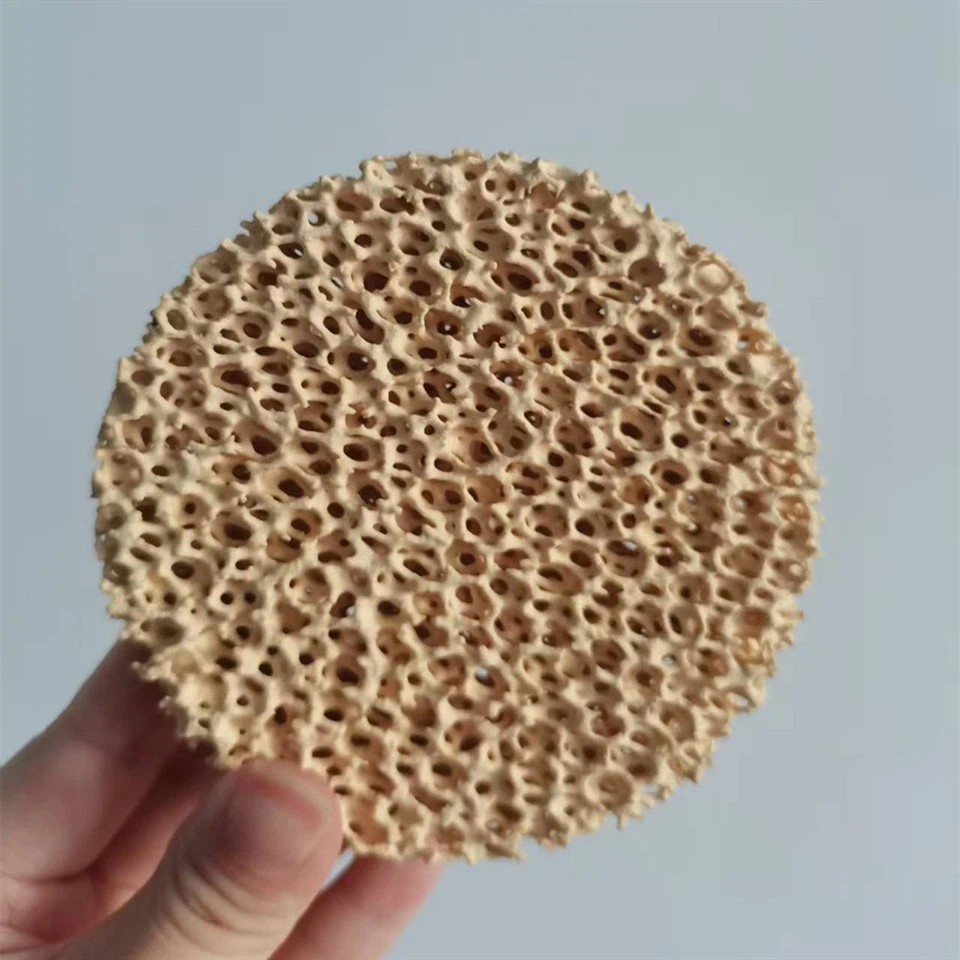
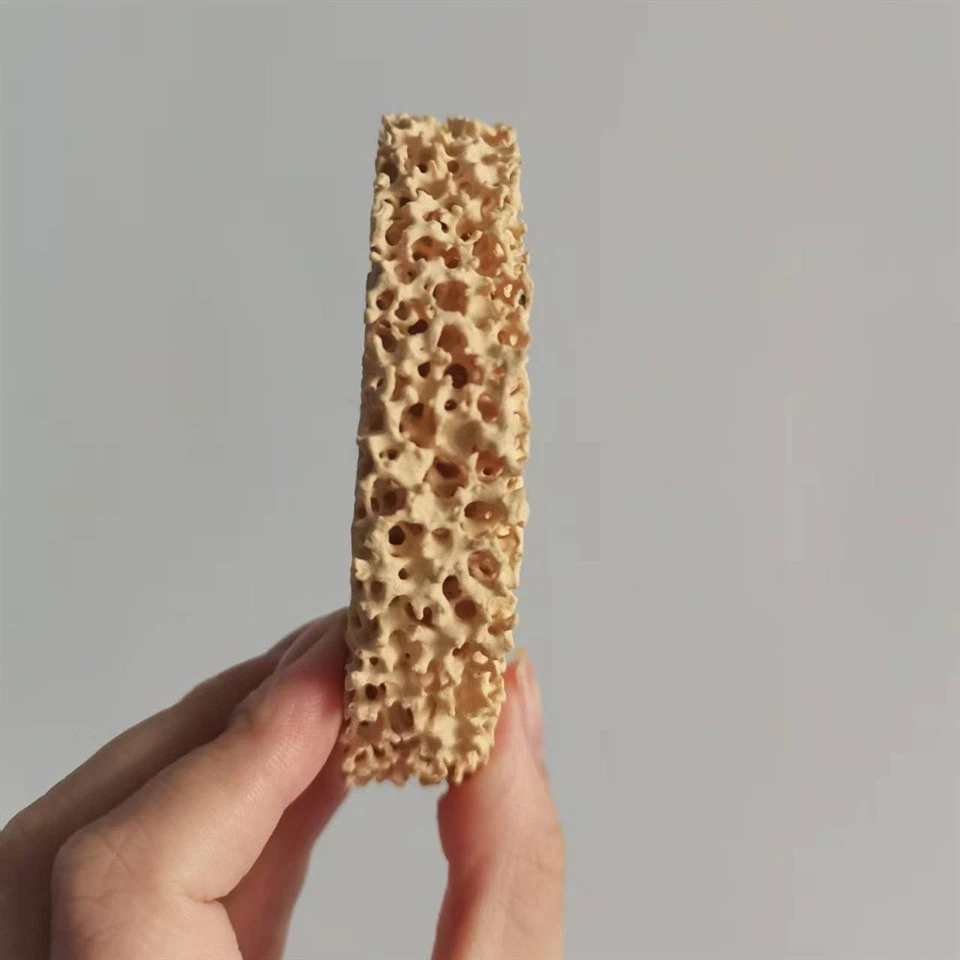
In addition to porosity, there are other factors that can affect the performance of a Zirconia Ceramic Foam Filter. These include the cell size, the thickness of the filter, and the material composition. The cell size refers to the size of the individual pores within the filter, and it can have a significant impact on the filtration efficiency and flow rate. A filter with a smaller cell size will generally have a higher filtration efficiency, but a lower flow rate, while a filter with a larger cell size will have a higher flow rate, but a lower filtration efficiency.
The thickness of the filter also plays an important role in determining its performance. A thicker filter will generally have a higher filtration efficiency, but a lower flow rate, while a thinner filter will have a higher flow rate, but a lower filtration efficiency. The material composition of the filter can also affect its performance, as different materials have different properties and characteristics.
So, as you can see, there's a lot to consider when it comes to choosing the right Zirconia Ceramic Foam Filter for your application. But don't worry, our team of experts is here to help you every step of the way. We can work with you to understand your specific requirements and recommend the best filter for your needs.
If you're interested in learning more about our Zirconia Ceramic Foam Filters or our other products, such as the Silicon Carbide Ceramic Foam Filter, please visit our website at Zirconia Ceramic Foam Filter. You can also contact us directly to speak with one of our sales representatives and discuss your specific needs. We look forward to hearing from you and helping you find the perfect filtration solution for your business.
References
- "Ceramic Foam Filters for Molten Metal Filtration" by John Doe
- "The Role of Porosity in Ceramic Foam Filters" by Jane Smith
- "Advances in Zirconia Ceramic Foam Filter Technology" by Bob Johnson