

What are the international standards for Zirconia Ceramic Foam Filter?
Dec 24, 2025
Leave a message
Hey there! As a supplier of Zirconia Ceramic Foam Filters, I've had my fair share of questions about the international standards for these nifty little filters. So, I thought I'd take a crack at explaining them in a way that's easy to understand.
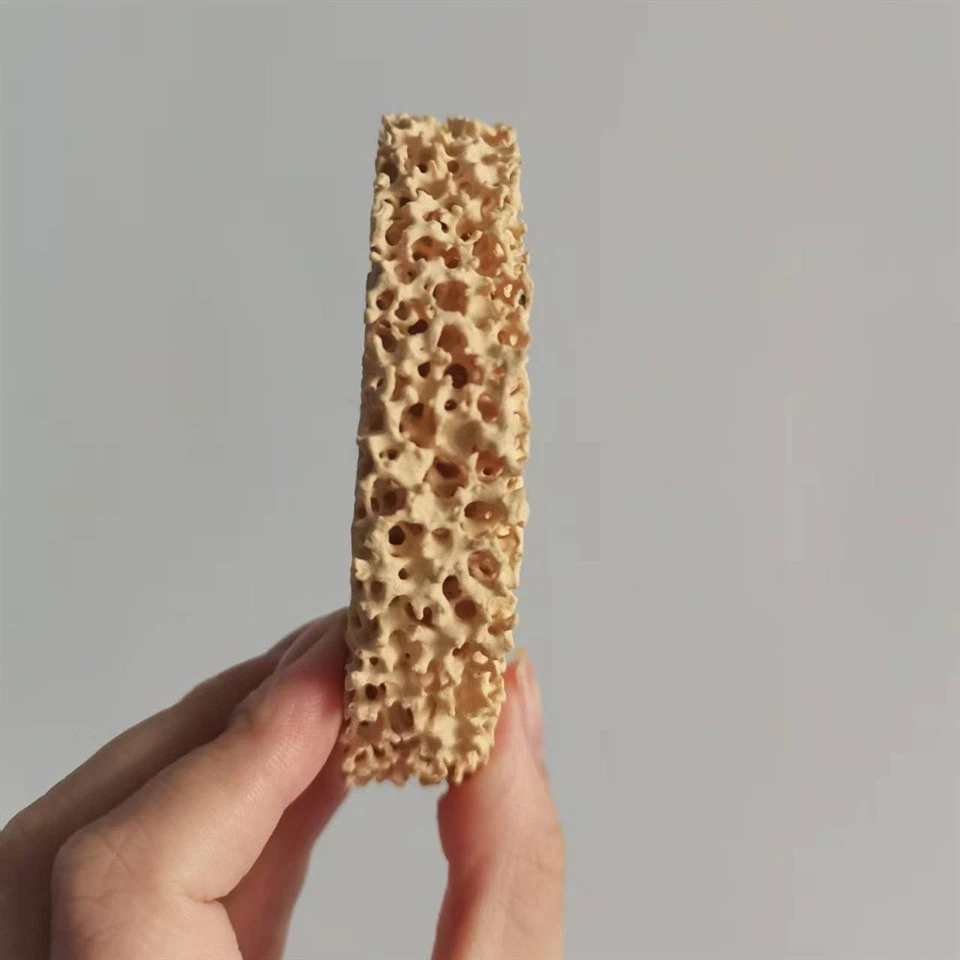
First off, let's talk about what Zirconia Ceramic Foam Filters are and what they're used for. These filters are made from zirconia, a super-strong ceramic material. They're designed to filter out impurities from molten metals during the casting process. By removing these impurities, the filters help improve the quality of the final metal product. Whether it's in the automotive, aerospace, or other industries that rely on high - quality metal castings, Zirconia Ceramic Foam Filters play a crucial role.
Now, onto the international standards. There isn't a single, one - size - fits - all set of standards for Zirconia Ceramic Foam Filters. However, there are several important aspects that are commonly considered across the globe.
Physical Properties
One of the key international standards revolves around the physical properties of the filters. The porosity of the filter is a big deal. Porosity refers to the amount of open space within the ceramic foam. A higher porosity means that more molten metal can flow through the filter, but it also needs to be balanced with the filter's ability to trap impurities. International standards usually specify a range of porosity values that are suitable for different applications. For example, in some high - precision casting processes, a lower porosity filter might be required to ensure better impurity removal.
The cell size is another important physical property. The cells in the ceramic foam are like little holes that the molten metal passes through. The size of these cells can vary, and it's determined based on the type of metal being cast and the size of the impurities that need to be filtered out. Generally, smaller cell sizes are better at capturing smaller impurities, but they can also restrict the flow of molten metal. So, there are standard ranges for cell sizes that manufacturers aim to meet.
Chemical Composition
The chemical composition of Zirconia Ceramic Foam Filters is also strictly regulated by international standards. The purity of the zirconia used in the filter is crucial. Impurities in the zirconia can react with the molten metal, causing unwanted chemical reactions and potentially ruining the casting. Standards typically specify a minimum purity level for the zirconia, often aiming for a very high percentage of pure zirconia.
In addition to zirconia, there might be other additives in the filter. These additives are used to enhance certain properties of the filter, such as its strength or thermal stability. However, the types and amounts of these additives are also regulated. For example, some additives might be restricted because they could release harmful substances when in contact with the molten metal.
Thermal Properties
Thermal properties are vital when it comes to Zirconia Ceramic Foam Filters. Since they're used in high - temperature environments, the filter needs to be able to withstand extreme heat without breaking down. The thermal shock resistance is an important standard. Thermal shock occurs when there's a sudden change in temperature, and a good filter should be able to handle these changes without cracking or shattering.
The melting point of the filter is also a consideration. It needs to be higher than the temperature of the molten metal being cast. International standards set minimum melting point requirements to ensure that the filter remains intact during the casting process.

Mechanical Strength
Mechanical strength is another area where international standards come into play. The filter needs to be strong enough to withstand the pressure of the flowing molten metal. If the filter breaks during the casting process, it can lead to a lot of problems, including the release of impurities back into the molten metal. Standards specify minimum strength values for the filter, which are usually determined through various mechanical testing methods.
Quality Control and Testing
To ensure that Zirconia Ceramic Foam Filters meet international standards, strict quality control and testing procedures are in place. Manufacturers typically conduct a series of tests on their filters before they're shipped out. These tests can include physical property tests, such as measuring the porosity and cell size, chemical analysis to check the purity of the zirconia, and thermal and mechanical tests to assess the filter's performance under extreme conditions.
Certification bodies also play a role in ensuring compliance with international standards. These bodies can provide certifications that indicate a filter meets certain quality and safety standards. When you're looking for a Zirconia Ceramic Foam Filter, it's a good idea to look for products that have been certified by recognized international bodies.
Comparison with Other Filters
It's worth comparing Zirconia Ceramic Foam Filters with other types of filters, like the Silicon Carbide Ceramic Foam Filter. While both types of filters are used for molten metal filtration, they have different properties and are suitable for different applications. Silicon carbide filters are known for their high thermal conductivity and excellent mechanical strength at high temperatures. However, zirconia filters are often preferred in applications where chemical resistance is more important, especially when dealing with certain types of reactive metals.
Meeting the Standards as a Supplier
As a supplier of Zirconia Ceramic Foam Filters, I take these international standards very seriously. We have a state - of - the - art manufacturing process that's designed to produce filters that meet or exceed these standards. We use high - quality raw materials and have strict quality control measures in place at every stage of production.
We also invest in research and development to constantly improve our products. By staying up - to - date with the latest international standards and technological advancements, we can offer our customers the best possible Zirconia Ceramic Foam Filters for their specific needs.
Why Choose Our Filters
When you choose our Zirconia Ceramic Foam Filters, you're getting a product that's been carefully crafted to meet international standards. Our filters are reliable, and they can help you achieve better casting results. Whether you're in the automotive industry, making engine parts, or in the aerospace sector, manufacturing high - precision components, our filters can make a difference.
We understand that every customer's needs are unique, so we offer a range of filter options with different porosities, cell sizes, and other properties. Our team of experts is always ready to help you choose the right filter for your application.
Contact Us for Procurement
If you're in the market for Zirconia Ceramic Foam Filters, I'd love to hear from you. We're here to provide you with top - quality filters that meet all the international standards. Whether you have questions about our products, need technical advice, or are ready to place an order, don't hesitate to reach out. We're committed to providing excellent customer service and ensuring that you get the best value for your money. So, let's start a conversation and see how we can help you with your casting needs.
References
- "Handbook of Ceramic Materials for Electronics and Energy Applications"
- "International Standards for Metal Casting Processes"
- "Advanced Ceramics in Industrial Applications"