

How to improve the thermal stability of a precision casting crucible?
Oct 13, 2026
Leave a message
Hey there! As a supplier of precision casting crucibles, I've seen firsthand how important thermal stability is in the casting process. A crucible with good thermal stability can withstand high temperatures without cracking or deforming, ensuring a smooth and efficient casting operation. So, in this blog, I'm gonna share some tips on how to improve the thermal stability of a precision casting crucible.
Choose the Right Material
The first step in improving thermal stability is to choose the right material for your crucible. Different materials have different thermal properties, so it's important to select one that can handle the specific temperatures and conditions of your casting process.
- Graphite Crucibles: Graphite is a popular choice for precision casting crucibles because it has excellent thermal conductivity and can withstand high temperatures. It's also relatively lightweight and easy to machine. However, graphite crucibles can be brittle and may crack under sudden temperature changes.
- Ceramic Crucibles: Ceramic crucibles are known for their high thermal stability and resistance to chemical corrosion. They can handle extremely high temperatures and are often used in applications where molten metals need to be held for long periods. But they can be more expensive and heavier than graphite crucibles.
- Metal Crucibles: Metal crucibles, such as those made of stainless steel or nickel, are durable and can withstand high temperatures. They're also relatively easy to clean and maintain. However, they may react with certain molten metals, so it's important to choose the right metal for your specific application.
Optimize the Design
The design of the crucible can also have a big impact on its thermal stability. Here are some design considerations to keep in mind:

- Wall Thickness: A thicker wall can help to improve the crucible's thermal stability by reducing heat transfer and preventing thermal shock. However, a too-thick wall can also increase the weight of the crucible and make it more difficult to handle.
- Shape: The shape of the crucible can affect its heat distribution and thermal stress. A crucible with a uniform shape and smooth interior surface can help to reduce hot spots and prevent cracking.
- Lid Design: A well-designed lid can help to keep the heat inside the crucible and prevent heat loss. It can also protect the molten metal from oxidation and contamination.
Control the Heating and Cooling Rate
Rapid heating and cooling can cause thermal stress and cracking in the crucible. To improve thermal stability, it's important to control the heating and cooling rate carefully.
- Heating Rate: When heating the crucible, it's best to use a slow and steady heating rate to avoid thermal shock. This can help to prevent the crucible from cracking or deforming.
- Cooling Rate: After the casting process is complete, it's important to cool the crucible slowly to allow it to contract evenly. This can help to prevent cracking and extend the lifespan of the crucible.
Use Thermal Insulation
Thermal insulation can help to reduce heat loss and improve the thermal stability of the crucible. There are several types of thermal insulation materials available, including ceramic fiber, refractory bricks, and insulating blankets.
- Ceramic Fiber Insulation: Ceramic fiber insulation is a popular choice for precision casting crucibles because it has excellent thermal insulation properties and can withstand high temperatures. It's also lightweight and easy to install.
- Refractory Bricks: Refractory bricks are made of high-temperature-resistant materials and can provide excellent thermal insulation. They're often used in large-scale casting operations.
- Insulating Blankets: Insulating blankets are made of flexible materials and can be easily wrapped around the crucible to provide thermal insulation. They're a convenient and cost-effective option for small-scale casting operations.
Regular Maintenance and Inspection
Regular maintenance and inspection are essential for ensuring the thermal stability of the crucible. Here are some maintenance tips to keep in mind:
- Cleaning: Regularly clean the crucible to remove any debris or contaminants that may affect its thermal properties. Use a soft brush or cloth to clean the interior and exterior of the crucible.
- Inspection: Inspect the crucible regularly for signs of damage or wear. Look for cracks, chips, or other defects that may affect its thermal stability. If you notice any damage, replace the crucible immediately.
- Preheating: Before using the crucible, preheat it slowly to allow it to reach the desired temperature gradually. This can help to prevent thermal shock and improve the crucible's thermal stability.
Additional Products for Precision Casting
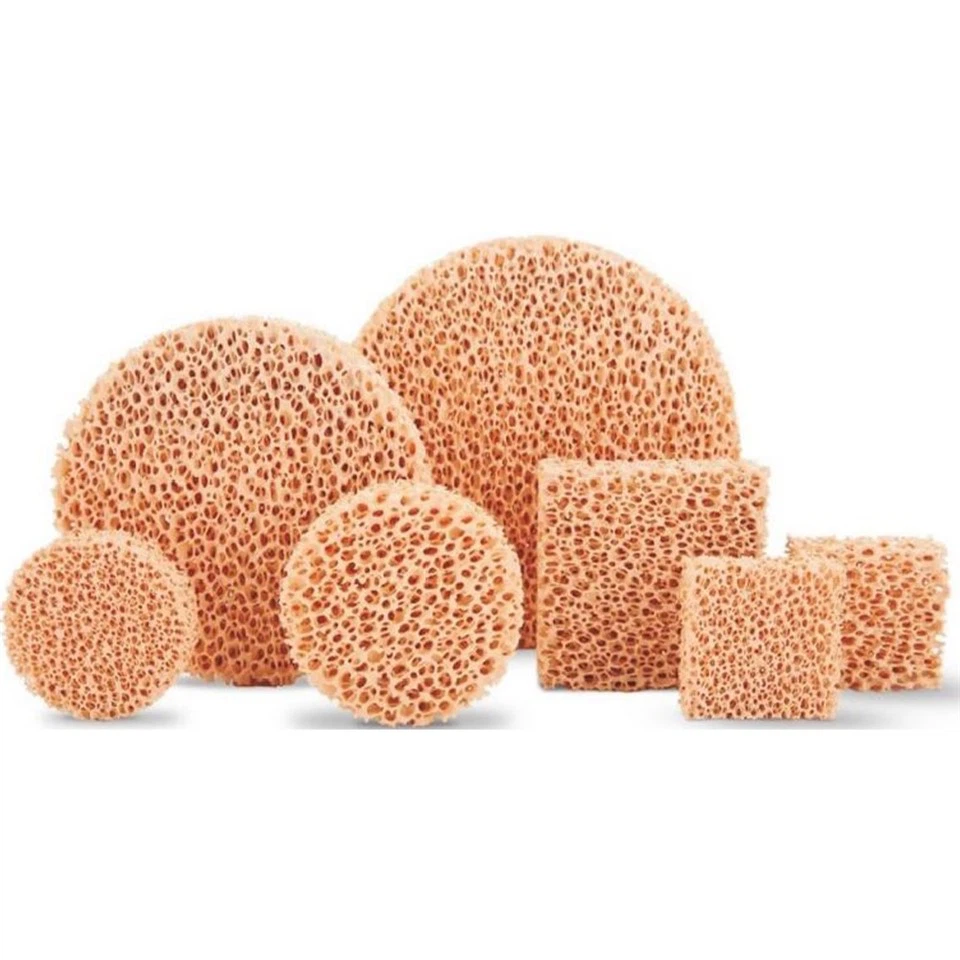
In addition to precision casting crucibles, we also offer other products that can enhance the casting process. Check out our Silicon Carbide Ceramic Foam Filter, which can effectively remove impurities from molten metal, improving the quality of the castings. Our Pouring Cup is designed to ensure a smooth and controlled pouring process, reducing the risk of splashing and turbulence. And for high-temperature applications, our Zirconia Ceramic Foam Filter provides excellent filtration performance.
Conclusion
Improving the thermal stability of a precision casting crucible is crucial for ensuring a successful casting process. By choosing the right material, optimizing the design, controlling the heating and cooling rate, using thermal insulation, and performing regular maintenance and inspection, you can extend the lifespan of your crucible and improve the quality of your castings. If you have any questions or need more information about our precision casting crucibles or other products, don't hesitate to contact us for a purchase negotiation.
References
- Smith, J. (2018). "Precision Casting: Principles and Practice."
- Johnson, R. (2019). "Thermal Properties of Materials in Casting Applications."
- Brown, A. (2020). "Crucible Design and Optimization for High-Temperature Casting."