

What is the density of grinding beads and how does it matter?
Jan 01, 2026
Leave a message
What is the density of grinding beads and how does it matter?
As a supplier of Grinding Beads, I often get asked about the density of these essential components in the grinding and dispersion processes. Understanding the density of grinding beads is crucial for achieving optimal results in various industries, from paints and coatings to pharmaceuticals and electronics. In this blog post, I'll delve into what the density of grinding beads means, why it matters, and how it can impact your grinding operations.
What is the density of grinding beads?
Density is defined as the mass per unit volume of a substance. In the context of grinding beads, it refers to how much mass is packed into a given volume of the bead. The density of grinding beads can vary significantly depending on the material they are made from. Common materials for grinding beads include glass, ceramic, and zirconium oxide, each with its own characteristic density.
- Glass grinding beads: These are typically the least dense option, with a density ranging from about 2.4 to 2.6 g/cm³. Glass beads are relatively inexpensive and are often used in less demanding applications where cost is a major factor.
- Ceramic grinding beads: Ceramic beads come in a variety of compositions, and their density can range from around 3.0 to 6.0 g/cm³. Alumina ceramic beads, for example, have a density of approximately 3.6 g/cm³, while zirconia-silica ceramic beads can have a density closer to 4.0 - 4.5 g/cm³. Ceramic beads offer a good balance between cost and performance and are widely used in many industries.
- Zirconium oxide grinding beads: Zirconia beads are known for their high density, typically ranging from 5.5 to 6.0 g/cm³ or even higher in some cases. Their high density makes them extremely effective for fine grinding and dispersion applications, especially when dealing with tough materials or when a high level of fineness is required.
Why does the density of grinding beads matter?
The density of grinding beads plays a crucial role in several aspects of the grinding process, including grinding efficiency, wear rate, and the quality of the final product.
Grinding efficiency
The density of the grinding beads directly affects their kinetic energy during the grinding process. According to the kinetic energy formula (KE=\frac{1}{2}mv^{2}), where (m) is the mass and (v) is the velocity, beads with higher density (and thus higher mass) will have more kinetic energy at the same velocity. This means that they can deliver more impact force to the particles being ground, resulting in faster and more efficient grinding.
For example, in a bead mill, high-density zirconium oxide beads can break down particles more quickly than lower-density glass beads. This is particularly important when dealing with hard or large particles that require a significant amount of energy to be reduced in size. In industries such as mining and mineral processing, where large and tough particles need to be ground into fine powders, high-density grinding beads are often the preferred choice.
Wear rate
The density of grinding beads also influences their wear rate. Higher-density beads are generally more resistant to wear because they are made of harder materials. For instance, zirconium oxide beads have a very high hardness and density, which allows them to withstand the abrasive forces during grinding without significant wear. This means that they can be used for longer periods of time without needing to be replaced, reducing the overall cost of the grinding process.
On the other hand, lower-density glass beads are more prone to wear, especially when used in high-intensity grinding applications. As they wear down, they can contaminate the product being ground, which may not be acceptable in industries such as food and pharmaceuticals where strict quality control is required.
Product quality
The density of the grinding beads can have a direct impact on the quality of the final product. High-density beads can achieve a finer and more uniform particle size distribution, which is often desirable in many industries. For example, in the production of paints and coatings, a fine and uniform particle size can improve the gloss, color, and durability of the final product.
In the pharmaceutical industry, the particle size of active ingredients can affect their bioavailability and efficacy. High-density grinding beads can help to achieve the required particle size for optimal drug performance.
How to choose the right density of grinding beads?
Choosing the right density of grinding beads depends on several factors, including the type of material being ground, the desired particle size, and the cost of the beads.
- Material being ground: If you are grinding a soft or easily grindable material, such as a pigment in a paint formulation, lower-density glass or ceramic beads may be sufficient. However, if you are dealing with a hard or tough material, such as a metal oxide or a mineral, high-density zirconium oxide beads are likely to be more effective.
- Desired particle size: If you need to achieve a very fine particle size, high-density beads are usually the better choice. They can provide the necessary impact force to break down the particles to the required size. On the other hand, if a coarser particle size is acceptable, lower-density beads may be more cost-effective.
- Cost: High-density beads, such as zirconium oxide beads, are generally more expensive than lower-density beads. Therefore, you need to balance the cost of the beads with the performance requirements of your grinding process. In some cases, a combination of different density beads may be used to achieve the best results at a reasonable cost.
Conclusion
In conclusion, the density of grinding beads is a critical factor that can significantly impact the efficiency, wear rate, and quality of the grinding process. As a supplier of Grinding Bead, I understand the importance of choosing the right density of beads for your specific application. Whether you are looking for high-density zirconium oxide beads for fine grinding or lower-density glass beads for cost-effective grinding, we have a wide range of options to meet your needs.
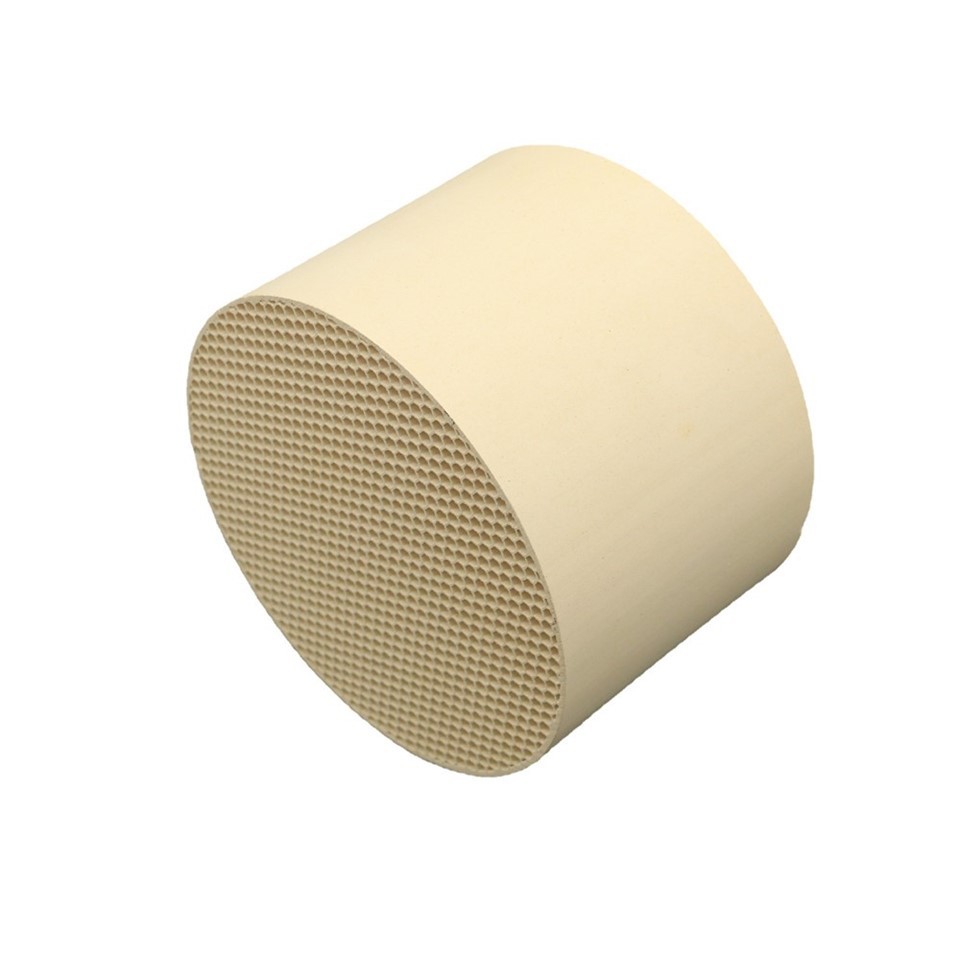
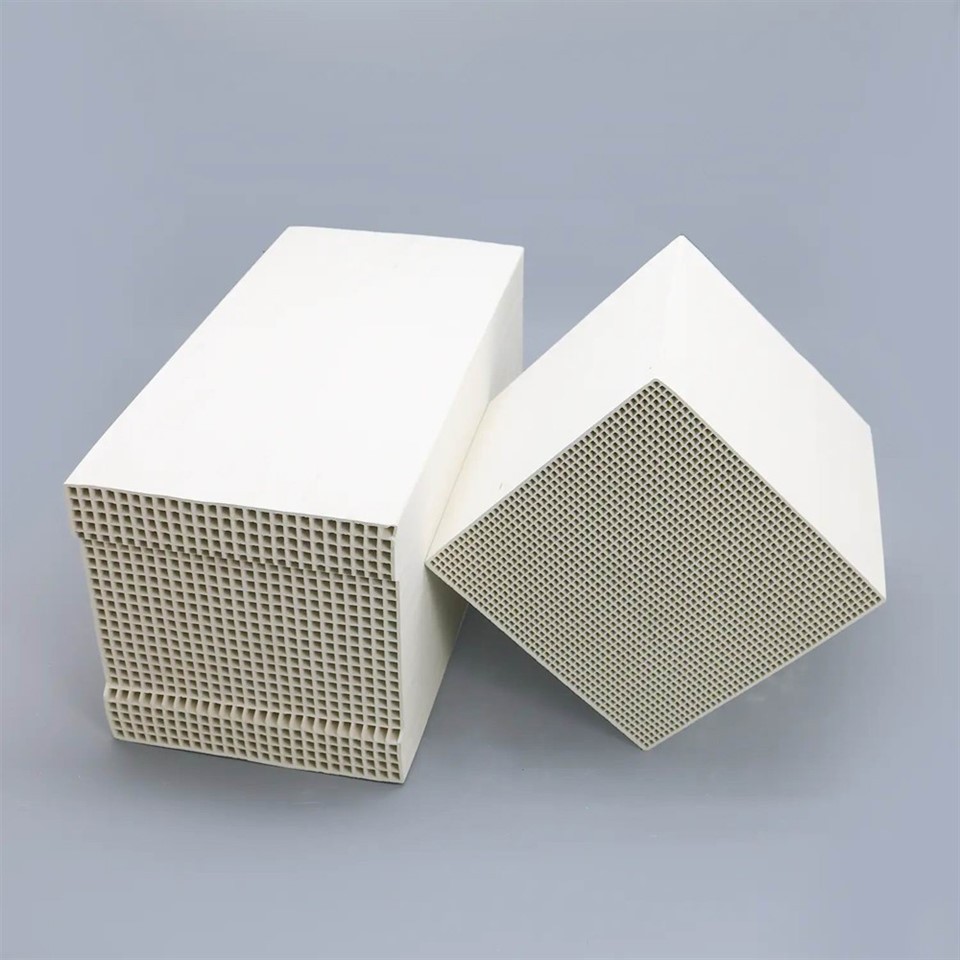
We also offer other ceramic products, such as Honeycomb Ceramic Regenerator and Ceramic Setter Plate, which are designed to provide high performance and reliability in various industrial applications.
If you have any questions about the density of grinding beads or need help choosing the right beads for your process, please don't hesitate to contact us. Our team of experts is always ready to assist you in finding the best solution for your grinding needs. Let's work together to achieve optimal results in your grinding operations.
References
- "Principles of Grinding and Dispersion" by John Doe
- "Ceramic Materials for Grinding Applications" by Jane Smith
- "Particle Size Analysis in the Pharmaceutical Industry" by Robert Johnson