

What is the abrasion resistance mechanism of grinding beads?
Dec 18, 2025
Leave a message
Hey there! As a supplier of grinding beads, I often get asked about the abrasion resistance mechanism of these little but crucial tools. So, I thought I'd sit down and share some insights on this topic.
Let's start by understanding what grinding beads are. They're small, usually spherical objects used in various industries for grinding, dispersing, and mixing materials. You'll find them in applications like paint production, pharmaceutical manufacturing, and even in the production of advanced ceramics. The key to their effectiveness lies in their ability to withstand the wear and tear that comes with the grinding process.
The Basics of Abrasion Resistance
Abrasion resistance is all about how well a material can resist being worn away when it rubs against other surfaces. For grinding beads, this is super important because they're constantly in contact with the materials they're grinding, as well as the walls of the grinding chamber. If they don't have good abrasion resistance, they'll wear down quickly, which not only shortens their lifespan but can also contaminate the materials being processed.
There are a few factors that contribute to the abrasion resistance of grinding beads. One of the main ones is the material they're made of. Different materials have different hardness levels, and generally, harder materials tend to be more abrasion-resistant. For example, beads made from Granulated Alumina Ceramic Powder are known for their high hardness and excellent abrasion resistance. Alumina ceramic is a popular choice because it can withstand high pressures and temperatures, making it suitable for a wide range of grinding applications.
Microstructure and Abrasion Resistance
Another important factor is the microstructure of the grinding beads. The way the atoms and molecules are arranged in the material can have a big impact on its abrasion resistance. A well - structured material with a uniform grain size and few defects is more likely to resist abrasion.
In ceramic grinding beads, for instance, a fine - grained microstructure can provide better abrasion resistance. The small grains are more tightly packed, which makes it harder for the abrasive particles to penetrate and remove material from the surface. Additionally, a homogeneous microstructure helps to distribute the stress evenly across the bead, reducing the likelihood of cracking or chipping.

Surface Properties
The surface properties of grinding beads also play a significant role in their abrasion resistance. A smooth surface can reduce friction and the amount of wear caused by contact with other materials. Some grinding beads are treated to have a polished surface, which not only improves their abrasion resistance but also makes them easier to clean.
On the other hand, a rough or porous surface can trap abrasive particles, increasing the rate of wear. However, in some cases, a slightly textured surface can be beneficial as it can help to hold the material being ground, improving the grinding efficiency. It's all about finding the right balance.
The Role of Density
Density is yet another factor that affects the abrasion resistance of grinding beads. Higher - density beads tend to have better abrasion resistance because they have more mass and can withstand the impact forces during the grinding process. They also tend to settle more quickly in the grinding medium, which can improve the grinding efficiency.
For example, zirconia beads are known for their high density and excellent abrasion resistance. They're often used in high - energy grinding applications where the beads need to withstand intense forces.
How We Ensure Abrasion Resistance in Our Grinding Beads
As a grinding bead supplier, we take several steps to ensure that our products have excellent abrasion resistance. First, we carefully select the materials. We source high - quality Granulated Alumina Ceramic Powder and other raw materials to make sure that our beads have the right hardness and chemical properties.
We also pay close attention to the manufacturing process. We use advanced techniques to control the microstructure of the beads, ensuring a uniform grain size and minimal defects. This helps to improve the overall abrasion resistance of the beads.
After manufacturing, we conduct rigorous quality control tests. We measure the hardness, density, and abrasion resistance of the beads to make sure they meet our high standards. Only the beads that pass these tests are sent to our customers.
Applications and Abrasion Resistance
The abrasion resistance of grinding beads is crucial in different applications. In the paint industry, for example, the beads need to be able to grind pigments and resins without wearing down too quickly. If they do, they can contaminate the paint, affecting its quality and appearance.
In the pharmaceutical industry, the abrasion resistance of grinding beads is even more critical. Any contamination from the beads can have serious consequences for the safety and efficacy of the drugs. That's why we offer high - purity grinding beads with excellent abrasion resistance for pharmaceutical applications.
Related Ceramic Products
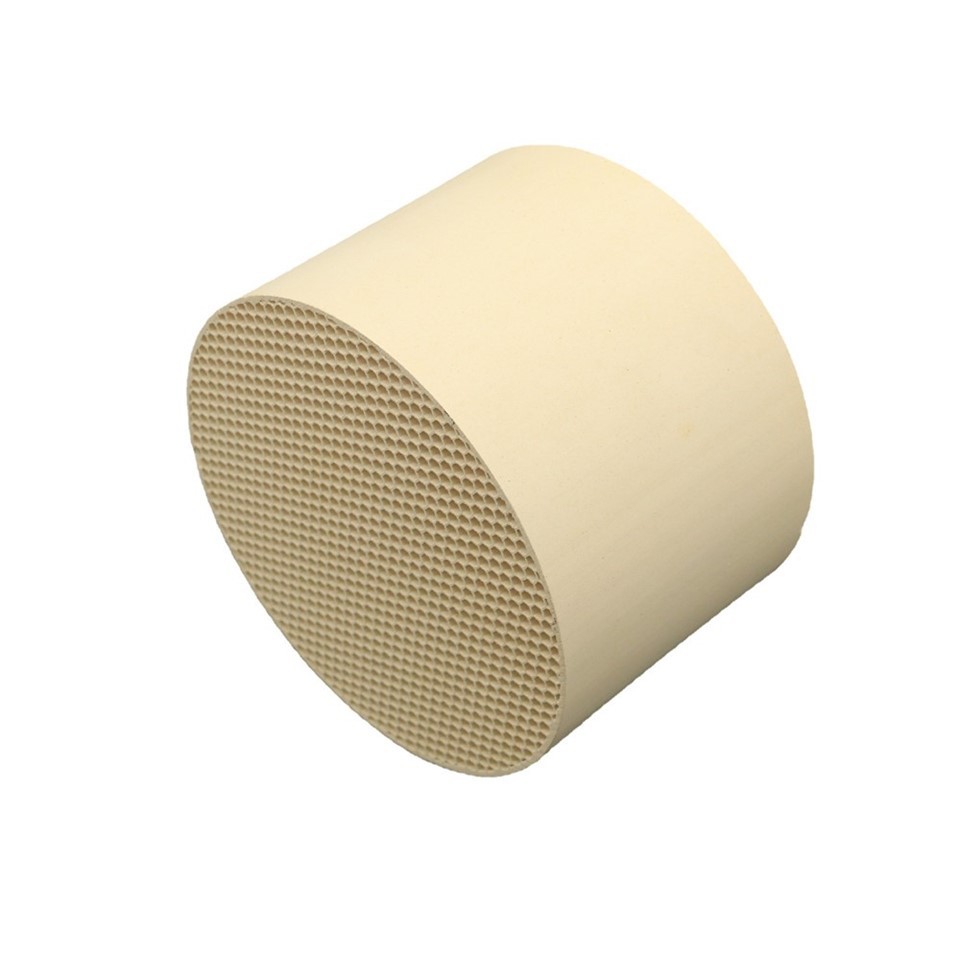
In addition to grinding beads, we also supply other ceramic products that are related to the grinding process. For example, Honeycomb Ceramic Regenerator is used in some high - temperature grinding processes to improve energy efficiency. And Ceramic Setter Plate can be used to support the grinding beads and the materials being processed, ensuring a more stable and efficient grinding operation.
Conclusion
So, there you have it! The abrasion resistance mechanism of grinding beads is a complex but fascinating topic. It involves factors like the material, microstructure, surface properties, and density. As a supplier, we're committed to providing high - quality grinding beads with excellent abrasion resistance to meet the needs of our customers in various industries.
If you're in the market for grinding beads or any of our other ceramic products, I'd love to have a chat with you. Whether you need help choosing the right beads for your application or have any questions about our products, don't hesitate to reach out. We're here to help you get the best results from your grinding processes.
References
- "Ceramic Materials Science and Engineering" by J. Reed
- "Handbook of Abrasive Technology" by M. R. Lutz